
 Facebook
 X
 Pinterest
 Copy Link
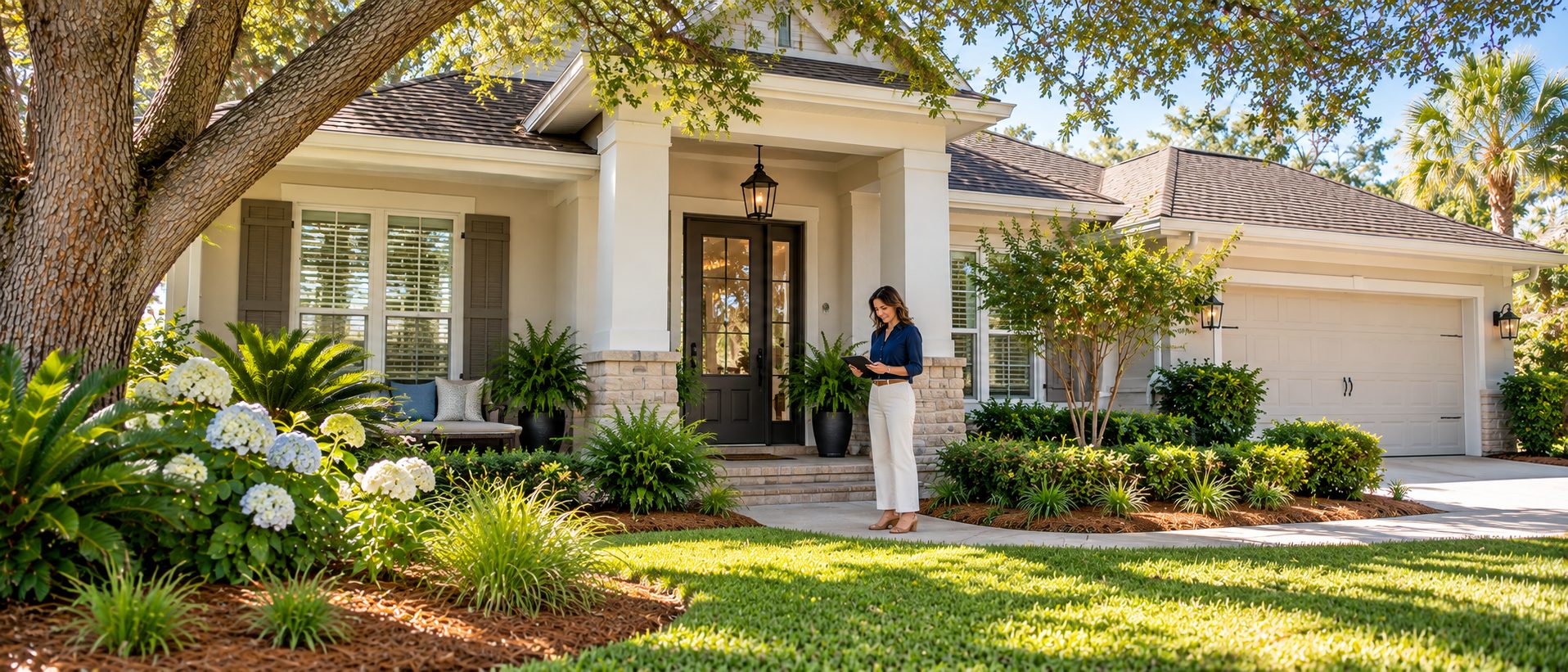
How to prepare, price, and sell your home when you can’t be there to handle every detail.
You’ve moved. Your furniture is somewhere between Florida and your next destination. You’re getting settled into a new routine.
And your house on the Emerald Coast?
It’s still here.
Maybe military orders meant you had to leave before your home sold. Maybe a new job, a family situation, or another life change took you out of town sooner than expected.
Whatever the reason, selling a house when you’re no longer living nearby can feel like you’ve got one more big responsibility hanging over your head.
Who’s checking on the property? How will repairs get handled? What happens when a buyer wants to see it? And how are you supposed to make good decisions when you’re hundreds of miles away?
Those are fair questions.
I’ve helped people on both sides of a long-distance move. Whether you’re buying a home on the Emerald Coast before you arrive or selling one after you’ve left, here’s what I want you to know: you don’t have to be physically present to stay informed and involved in the sale of your home.
But you do need a good plan—and someone local you can count on to help carry it out.
You’ve Moved. Your House Hasn’t.
One of the first things I want to understand is your situation.
Is the house vacant? Are tenants still living there? Do you have family nearby who can help with access? Are you working with a specific deadline, or do you have some flexibility?
And just as important, what are you hoping to accomplish financially?
Those answers shape our selling strategy.
A military family preparing for a PCS may have different priorities than someone selling an investment property or handling a home after a major life transition.
Sometimes the biggest concern is timing. Other times, it’s minimizing expenses while the property sits vacant.
There’s no one-size-fits-all answer, and I don’t believe in pretending there is.
Before we talk about listing dates or asking prices, let’s figure out what matters most to you.
Getting the House Ready When You’re Not There
Preparing a home for sale can involve more than most people realize.
There may be cleaning to arrange, landscaping to maintain, small repairs to address, or personal belongings that still need to be removed.
If you’re living somewhere else, even a relatively simple task can become complicated.
That’s where having a local plan makes a difference.
I can help you identify what needs attention before listing, discuss which improvements are worth considering, and coordinate access with appropriate service providers when needed.
But I’m also going to be straightforward about what probably isn’t worth spending money on.
Not every home needs new flooring, fresh paint throughout, or a long list of updates before it goes on the market.
Sometimes a thorough cleaning, a few targeted repairs, and professional presentation are enough to make a meaningful difference.
Other times, the condition of the property calls for a different approach.
The goal isn’t to make your home perfect.
It’s to prepare it appropriately for the buyers we’re trying to reach, while keeping your timeline and budget in mind.
And if the home is vacant, we’ll also need to talk about utilities, insurance requirements, property access, and who’s responsible for checking on things while you’re away.
Those details matter.
Pricing Still Matters, Even When You’re in a Hurry
Here’s a conversation I have with sellers fairly often.
They have a number in mind. Maybe it’s what they need to walk away with. Maybe it’s based on what a neighbor sold for last year. Or maybe it’s what they originally paid, plus the improvements they’ve made.
I understand why those numbers matter.
But buyers are looking at what’s available right now.
They’re comparing your home with other properties, considering condition and location, and deciding which ones offer the best fit for their money.
That’s why pricing has to begin with current market information.
When I develop a listing strategy, I look at comparable sales, active competition, property condition, buyer expectations, and the circumstances surrounding your move.
If you’re already paying for housing somewhere else, carrying two properties may add pressure. But pricing too high because you need a particular outcome can sometimes make that situation harder.
And pricing too low without understanding the market isn’t the answer, either.
We need a strategy that reflects both your goals and what the market is telling us.
Once your home is listed, the work doesn’t stop.
We’ll pay attention to showing activity, buyer feedback, competing listings, and changes in the market. If something isn’t working, we’ll talk about it.
I’d rather have an honest conversation early than let weeks go by hoping things will magically change.
Someone Needs to Be Your Eyes and Ears
This is one of the biggest concerns I hear from sellers who have already moved.
They want to know what’s happening at their property.
And they should.
When you’re not nearby, it’s especially important to have clear arrangements for showings, property access, inspections, appraisals, and any work that may need to be completed.
A good listing strategy includes more than putting your home online and waiting for someone to call.
It means presenting the property well, making it accessible to qualified buyers, communicating with other agents, and helping you understand the response we’re getting.
Professional photography is an important part of that presentation. So is making sure buyers can understand the layout and features of the home before they schedule a showing.
And if a buyer raises a concern, I want you to hear about it.
Not every comment requires a change. Sometimes feedback reflects one person’s preferences rather than a problem with the property.
But patterns matter.
If several buyers are raising the same concern, that’s information we should discuss.
You deserve to know what’s happening, even if you’re three states away.
What Happens When an Offer Comes In?
Getting an offer is exciting.
But it’s also where some important decisions begin.
The purchase price is only one part of the offer.
We’ll need to consider financing, contingencies, inspection terms, requested concessions, closing dates, and how the proposed timeline fits your situation.
A higher offer isn’t always the strongest offer once you look at all the terms.
And if you’re already living elsewhere, certain details may carry extra weight.
For example, a closing delay could affect your carrying costs. A repair request might require arranging work from a distance. A buyer’s financing or appraisal could introduce another decision.
My job is to explain the options, identify potential concerns, and help you evaluate the offer as a whole.
I won’t make those decisions for you.
But I will make sure you understand what you’re agreeing to.
You Shouldn’t Have to Chase Down Updates
If you’ve ever tried to coordinate something important from another state, you know how frustrating it can be when nobody tells you what’s going on.
You make a call. Leave a message. Wait for an answer. Wonder if something has changed.
That’s not how I want my clients to feel.
Communication is a big part of how I work.
When we’re selling your home, I want you to understand what we’re doing, why we’re doing it, and what’s coming next.
That includes updates on marketing activity, showings, buyer feedback, offers, contract deadlines, and any issues that need attention.
Sometimes there’s a decision to make. Sometimes the update is simply that everything is moving along as expected.
Both are worth communicating.
And if you have a question, ask it.
You don’t need to worry about bothering me. I’d much rather explain something than have you sitting somewhere wondering what’s happening with your house.
Can You Close on Your Home From Another State?
In many cases, yes.
Sellers can often complete a real estate transaction without returning to Florida for the closing.
Depending on the circumstances, the title company and other parties may be able to arrange documents for signing remotely, through a mobile notary, or using other approved closing procedures.
But it’s important to work through those details early.
Not every document can necessarily be signed the same way, and requirements can vary depending on the transaction, title company, lender, and location.
If you’re moving because of military orders or have a particularly tight schedule, I want the closing team involved early enough to identify any special arrangements we may need.
The last thing we want is a preventable paperwork issue creating a problem at the finish line.
Your Next Chapter Doesn’t Have to Wait on the House
I know what it’s like to move because of military orders.
When Gabe and I PCS’d to Fort Walton Beach in 2008, we had a whole new place to learn and a lot of decisions to make.
For many of the families I work with today, the situation is reversed. They’re leaving the Emerald Coast for their next assignment, job, or stage of life.
And sometimes, the house they’re selling is the last piece of that transition.
Whether you’re already settled somewhere new or still preparing to leave, I want you to feel confident that your sale is being handled thoughtfully.
That doesn’t mean every transaction will be completely smooth. Real estate has a way of throwing us a curveball now and then.
But it does mean you’ll have someone paying attention, communicating with you, and helping you make good decisions as things unfold.
You can be miles away and still be an informed, involved seller.
And you don’t have to manage every detail alone.
Whatever your next move looks like, you’re in good hands.
Jill Wood
REALTOR® | ERA American Real Estate
In Good Hands
Straight answers. Steady guidance. Every step of the way.
